
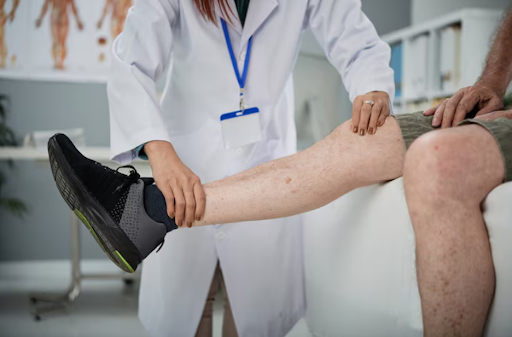
Knee pain can make everyday activities difficult, especially when it affects walking, climbing stairs, standing, or sitting comfortably. For people with severe knee damage, knee replacement surgery can offer an effective way to reduce pain and improve movement. Choosing an experienced knee replacement surgeon is an important step toward achieving better mobility and returning to an active lifestyle. The right specialist can guide patients through every stage of treatment, from the first consultation to recovery.
Understanding the Need for Knee Replacement Surgery
Knee replacement surgery is often recommended for people who experience severe joint damage due to arthritis, injuries, or age-related wear. When other treatments, such as medication, physical therapy, and lifestyle changes, no longer provide enough relief, surgery may become a suitable option. A skilled knee replacement surgeon carefully examines the joint, reviews medical history, and evaluates symptoms before recommending treatment. This detailed assessment helps determine whether surgery is the right choice for improving comfort and movement.
Choosing the Right Surgical Approach
Every patient has different needs, and knee conditions can vary in severity. An experienced knee replacement surgeon considers factors such as age, activity level, joint damage, and overall health when planning surgery. Depending on the condition, the surgeon may recommend a total or partial knee replacement. Selecting the appropriate approach helps address the damaged areas while supporting natural joint movement. Careful planning also allows the surgeon to explain the procedure and help patients understand what to expect.
Improving Mobility Through Expert Surgery
The main goal of knee replacement surgery is to reduce pain and restore better joint function. During the procedure, damaged portions of the knee joint are replaced with artificial components designed to support smooth movement. A qualified knee replacement surgeon uses proper surgical techniques and careful positioning to achieve a stable joint. Improved joint function can make everyday activities more comfortable and help patients gradually return to walking, exercising, and enjoying their regular routines.
Supporting Recovery and Rehabilitation
Recovery is an important part of successful knee replacement treatment. After surgery, patients usually follow a rehabilitation plan that includes guided exercises and physical therapy. A dedicated knee replacement surgeon monitors healing progress and provides instructions for managing discomfort, protecting the joint, and improving flexibility. Following medical advice and attending scheduled appointments can help patients build strength and regain confidence in their movements. Recovery takes time, so patience and consistency are essential throughout the process.
Benefits of Personalized Patient Care
Good surgical care involves more than performing the operation. A professional knee replacement surgeon takes time to understand each patient’s concerns, explain available options, and provide realistic recovery expectations. Personalized care helps patients feel informed and comfortable before making treatment decisions. Regular communication and follow-up appointments also allow the medical team to address concerns and adjust recovery recommendations when needed.
Conclusion
Regaining comfortable mobility can make a meaningful difference in everyday life. With proper evaluation, expert surgical treatment, and consistent rehabilitation, knee replacement surgery can help reduce long-term pain and improve joint function. Choosing a skilled knee replacement surgeon ensures that patients receive appropriate guidance and care throughout their treatment journey. With the right support and commitment to recovery, patients can work toward greater independence and a more active lifestyle.