
Property value is never static. It shifts with market trends, neighborhood developments, and the condition of the home itself. Understanding these changes is essential for homeowners, buyers, and sellers alike. Whether you’re planning to move soon or hold onto your investment, knowing what drives property value can guide smart decisions. Several factors, both visible and subtle, influence how a property appreciates or depreciates over time.
Neighborhood Development And Infrastructure Growth
The surroundings of a property play a huge role in its value. New schools, parks, and shopping centers attract families and increase demand. Roads, public transport, and other infrastructure improvements also make a location more appealing. Even small upgrades, like better street lighting or landscaping, can affect perceptions. A growing neighborhood signals potential buyers that the area is thriving, which boosts property value. Real estate agents often highlight these factors when marketing a property to emphasize its long-term benefits.
Real Estate Market Trends And Economic Shifts
The broader economy heavily impacts property prices. Interest rates, employment rates, and local economic growth influence buyer confidence. During a strong economy, buyers are willing to pay more, which raises property values. Conversely, recessions or high unemployment can suppress demand. Keeping an eye on market trends helps homeowners plan the timing of home selling. A knowledgeable real estate agent can provide insights into these shifts and guide sellers to maximize their returns.
Property Condition And Renovations for Selling
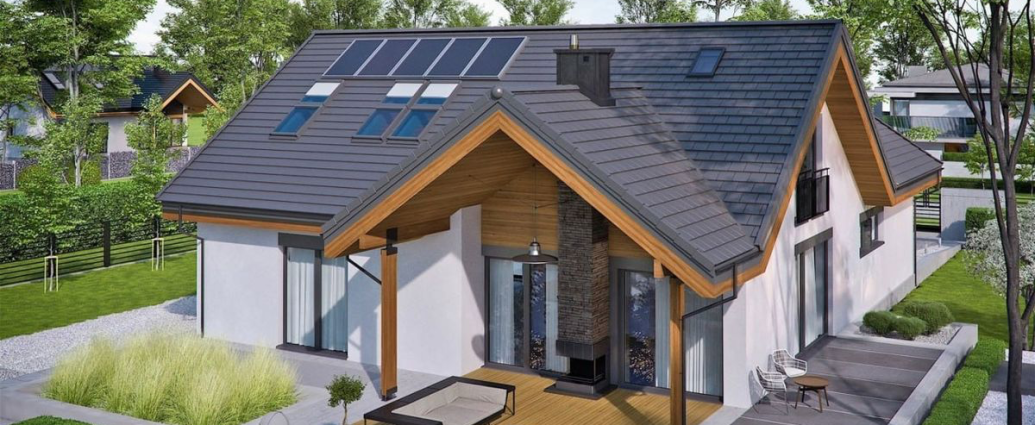
A well-maintained home always holds more value than one that’s neglected. Regular maintenance, repairs, and thoughtful upgrades can significantly boost resale price. Kitchens and bathrooms tend to have the highest impact, while energy-efficient features like solar panels add modern appeal. Even cosmetic touches like fresh paint or landscaping enhance the perception of care. When preparing for home selling, a real estate agent often advises on renovations that yield the best return on investment.
Local Amenities And Community Services
Access to amenities directly affects how buyers view a property. Nearby schools, hospitals, shopping areas, and recreational facilities make life convenient and desirable. Communities with strong social networks and organized events often attract long-term residents. Properties in such neighborhoods tend to appreciate faster than those in isolated areas. Highlighting these local perks is a key strategy that real estate agents use to boost interest during home selling.
Supply And Demand Dynamics
The balance between available properties and active buyers is crucial. When demand exceeds supply, prices climb. When supply outweighs demand, values may stagnate or drop. Factors like new housing developments, zoning changes, or shifts in population demographics alter this balance. Savvy homeowners monitor these dynamics to decide when to list their property. Real estate agents track supply and demand trends to recommend optimal timing for home selling.
Environmental Factors And Risk Exposure
Properties exposed to environmental risks, such as flooding, earthquakes, or industrial pollution, can see slower appreciation. Conversely, homes in low-risk areas or with scenic views often gain value faster. Natural surroundings, air quality, and noise levels also shape buyer preferences. Homeowners aware of these factors can invest in mitigation or upgrades to protect value.
Conclusion
Property value is shaped by a complex mix of factors. Neighborhood growth, market trends, property condition, local amenities, supply-demand balance, and environmental considerations all play a role. Homeowners who understand these influences can make smarter decisions about maintenance, renovations, and the timing of home selling. Partnering with a knowledgeable real estate agent ensures these factors are leveraged effectively, helping sellers achieve the best outcomes in a constantly shifting market.

